
Description
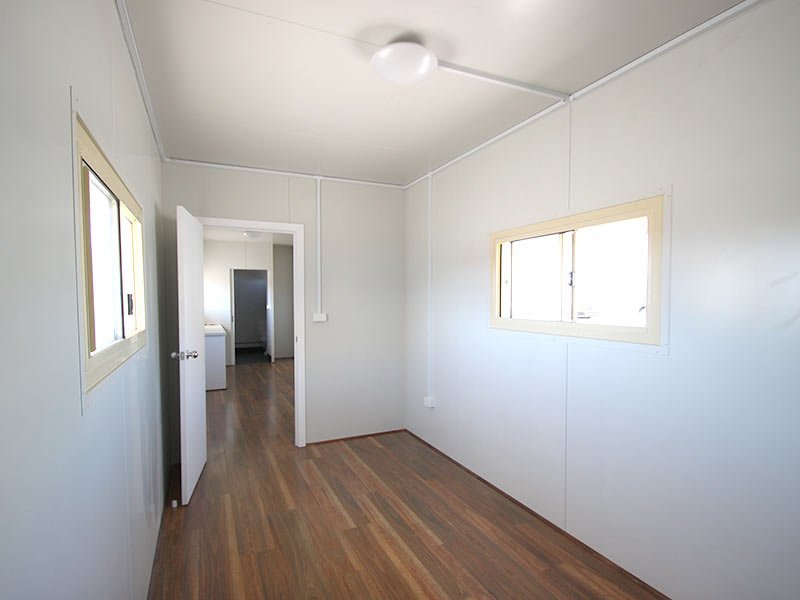
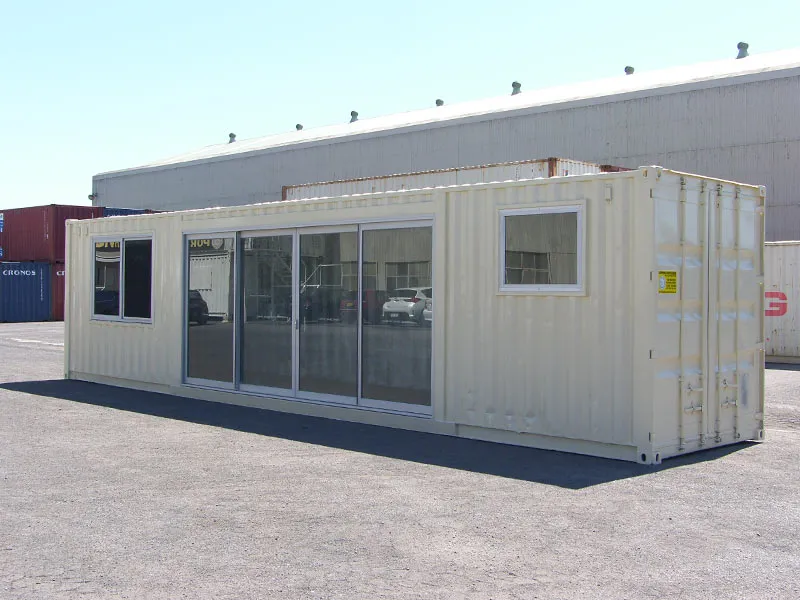
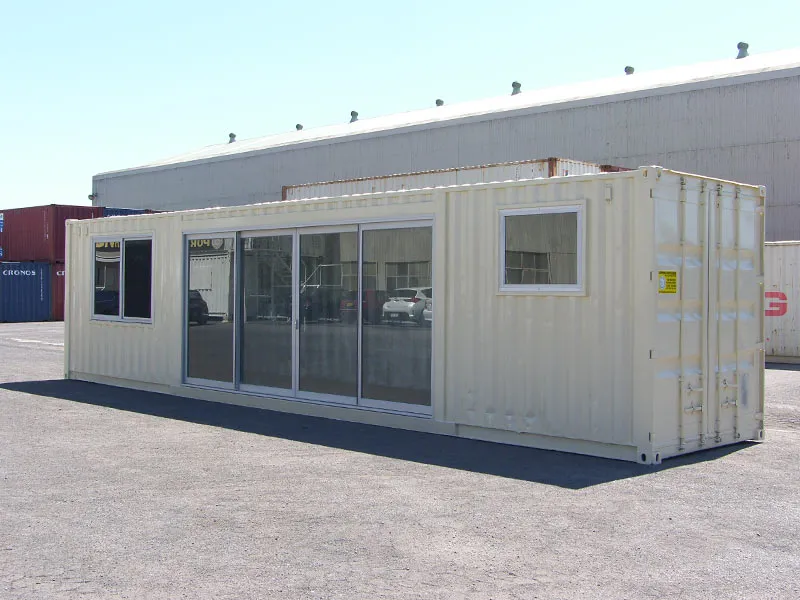
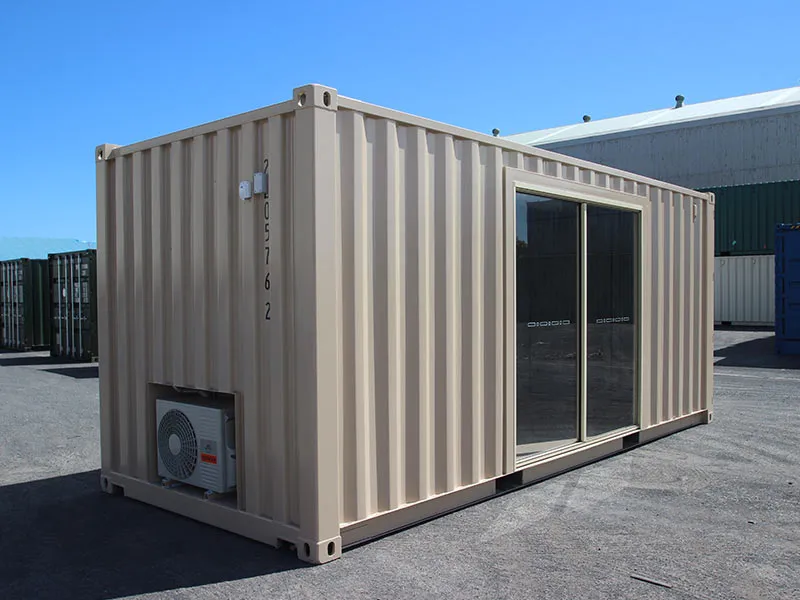
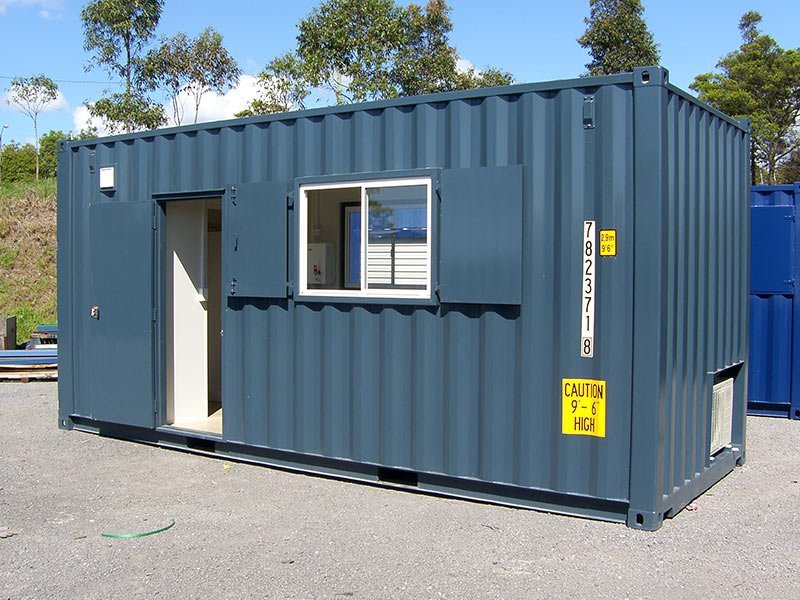
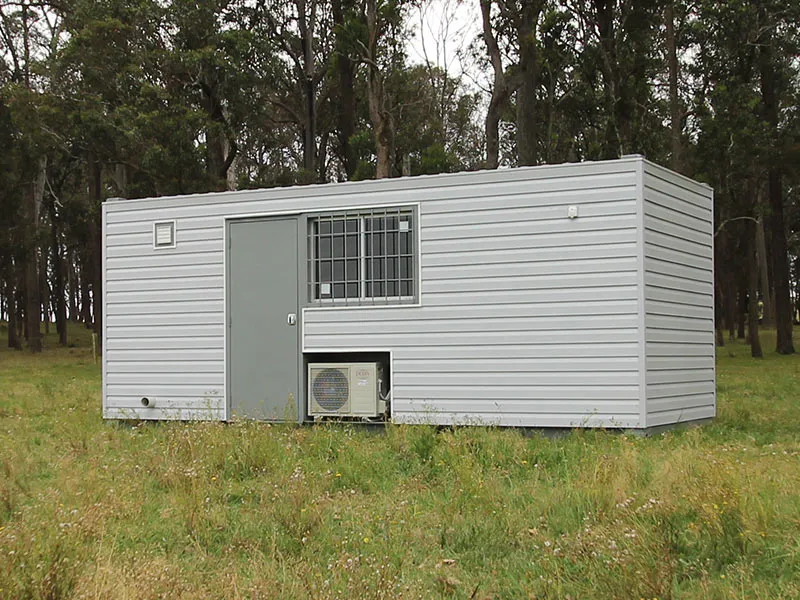
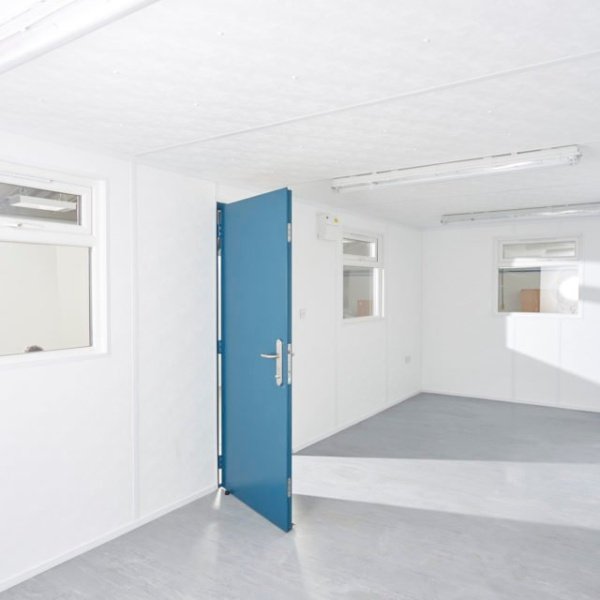
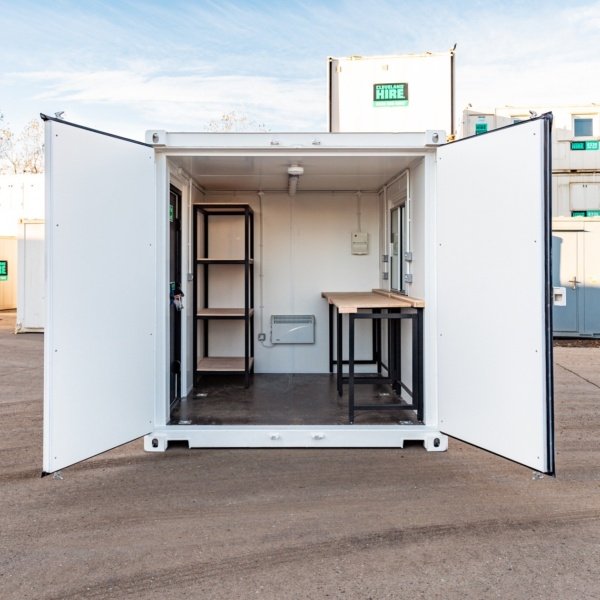
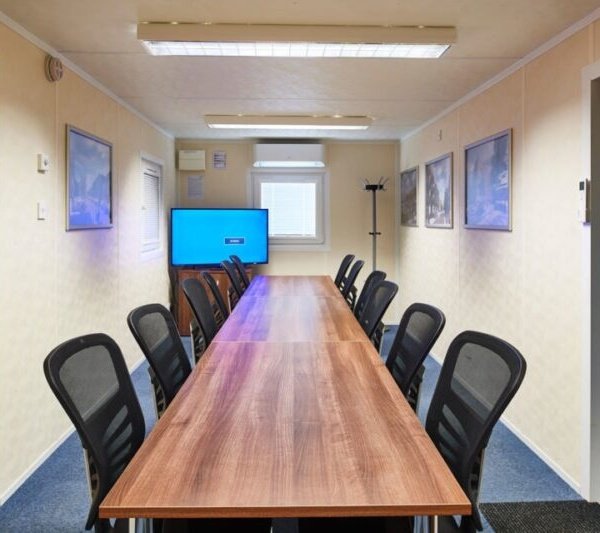
The place the work is and the place the crew can sleep are rarely the same place. Remote sites often have nothing suitable within a reasonable drive, and what does exist is usually already full. Accommodation containers answer that by putting the beds on the job and removing them when it finishes. They are built from 20ft and 40ft shells, new or premium grade and fully painted, in one of two broad approaches: partitioned bunk rooms, or self-contained units with kitchenette, living space and en-suite.
Sizes and sleeping capacity
- 20ft external: 6.058 × 2.438 × 2.591 m (19 ft 10 in × 8 ft 0 in × 8 ft 6 in)
- 40ft external: 12.192 × 2.438 × 2.591 m (40 ft × 8 ft × 8 ft 6 in)
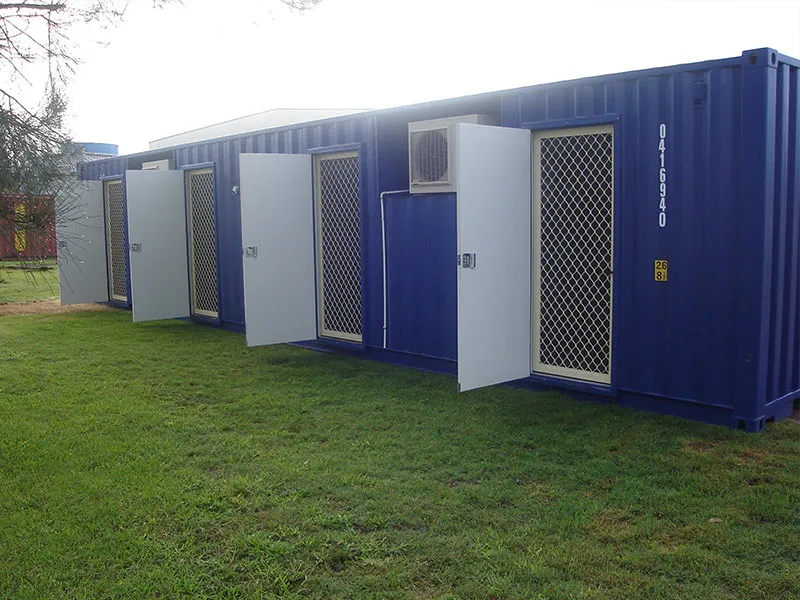
- 20ft partitioned layout: three rooms sleeping up to six in bunks
- 40ft partitioned layout: four rooms sleeping eight
Choosing between bunk rooms and self-contained
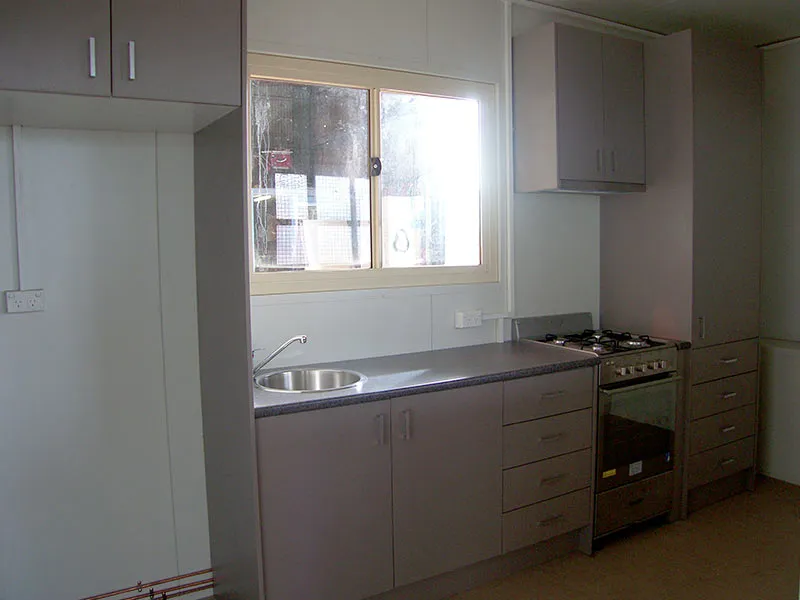
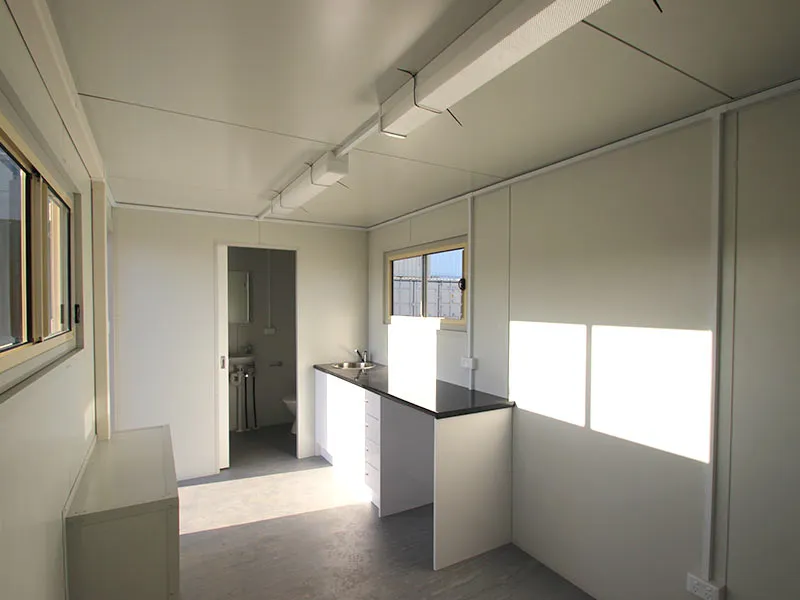
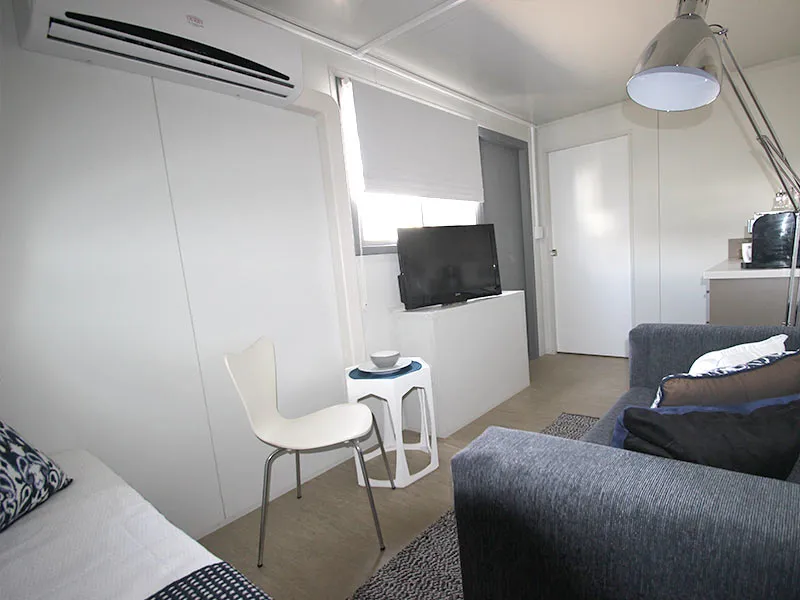
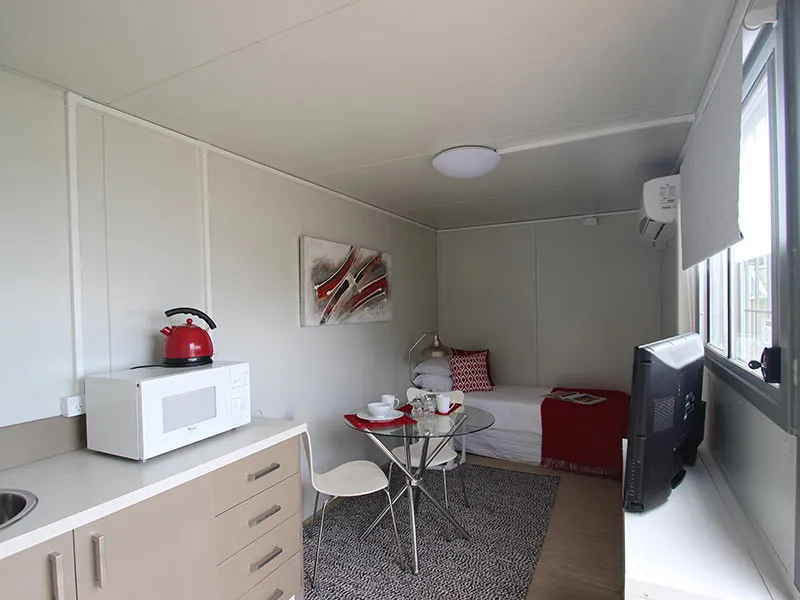
The deciding factor is how long people stay. A partitioned sleeping unit uses the space efficiently for crews who already have washing and catering facilities on site, and for short rotations that is the economical answer. Where people are housed for longer stretches, a self-contained unit with its own kitchenette, living area and en-suite is what most operators now specify — not for comfort alone, but because shared facilities become the constraint on how many people a compound can actually hold.
Specification and options
- 20ft and 40ft shells, new or premium grade, fully painted
- Ready-made layouts or fully custom designs
- Self-contained options with kitchenette, living area, sleeping area and en-suite
- Wall partitions to suit the layout
- Wide range of doors and windows
- Large colour range
- Air conditioning and hot water systems
- Straightforward plumbing and electrical connections
- Stackable to make better use of a small site
- Vinyl flooring or floating floorboards
Uses beyond industry
The same units work well away from construction and resources. Farms use them for seasonal workers, campsites and holiday parks use them as competitively priced cabins that stack to get more from a small plot, and homeowners use them as guest accommodation, a studio, or somewhere to live during a renovation. Because they are modular, a small cluster can be built for considerably less than permanent construction — though anything intended as living accommodation is worth checking against your local authority’s consent requirements first.
Delivery, siting and cover
Delivery is free across the UK, including Northern Ireland, the Isle of Man, Jersey and Guernsey, and the price shown is the total payable with no VAT added at checkout. Three questions shape the build far more than the choice between a 20ft and a 40ft shell: how many people it must sleep, what water, waste and power already exist at the site, and whether it stays put or moves between locations. Settle those and the layout follows. Because each unit is fabricated to order, we confirm the inclusions, the finishes and the lead time in writing before any steel is cut — the bands themselves are set out in our shipping policy. Plan a firm, level standing at all four corners, particularly if units are to be stacked. Crane or HIAB offload is agreed in writing before delivery. Fabrication workmanship is covered for 12 months, alongside your separate statutory rights: 14 days to change your mind under the Consumer Contracts Regulations 2013, and 30 days to reject the goods if faulty under the Consumer Rights Act 2015.
Related units for a working camp
A smaller footprint for one occupant, a guest room or a token site presence is what the 10ft accommodation container is for. Camps that need shared washing alongside the sleeping quarters normally add container ablution blocks, and our container lunch rooms exist to feed the same crew. Every conversion we build is listed under specialised containers; send your location and the number of beds when you request a quote.
Reviews
There are no reviews yet.