
Description
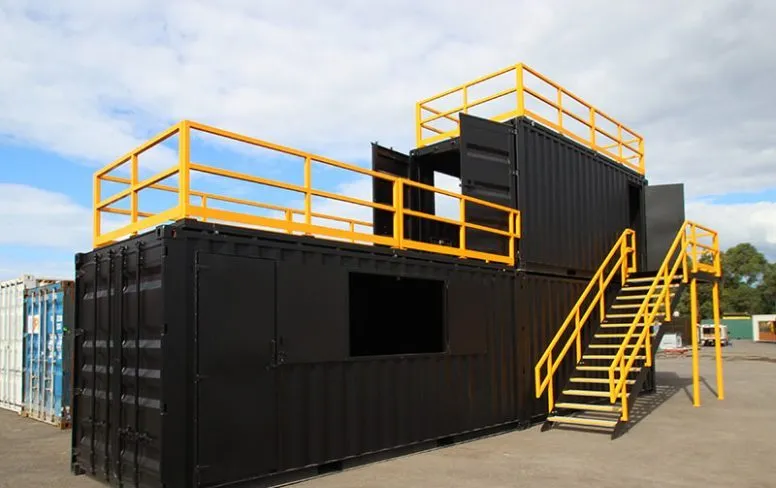
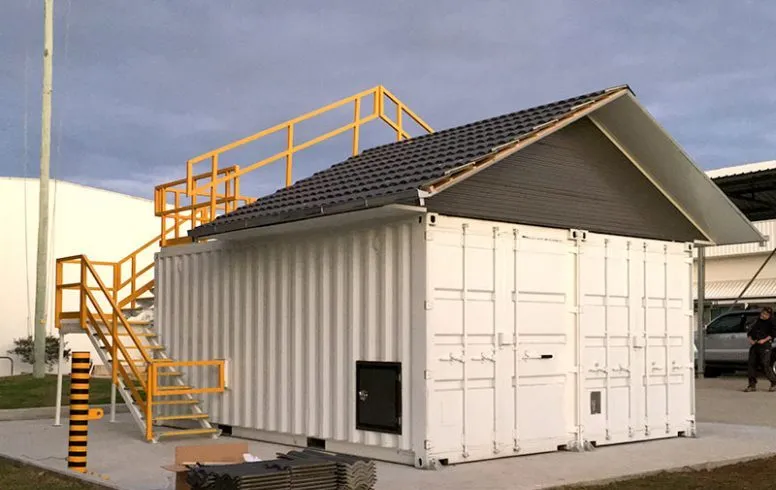
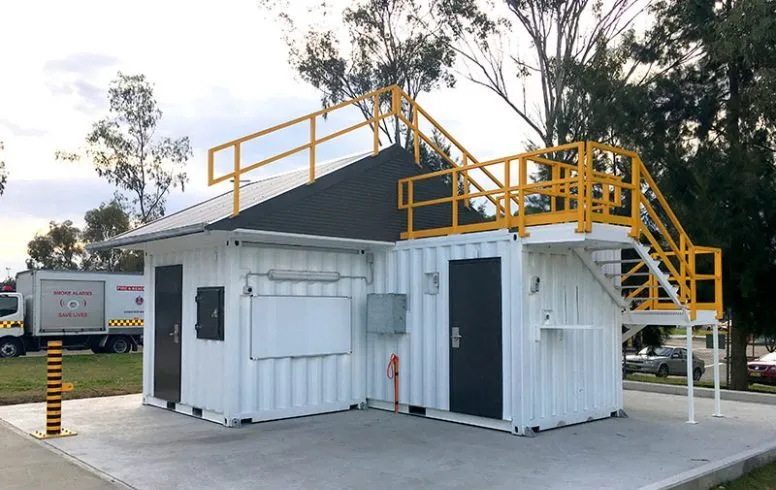
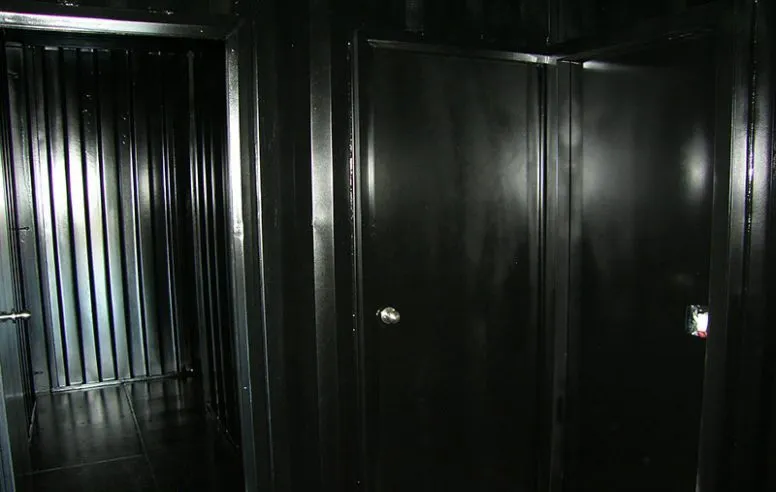
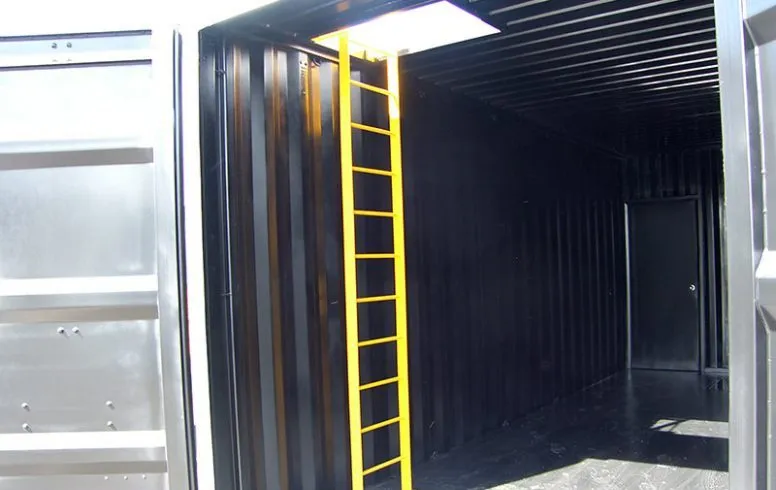
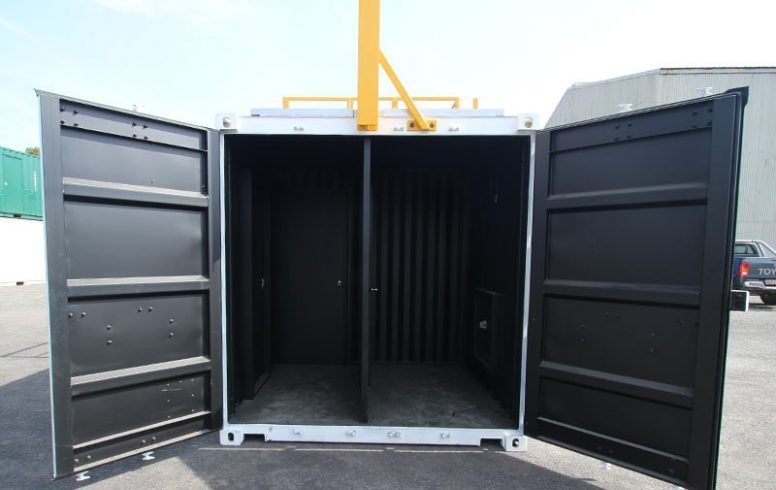
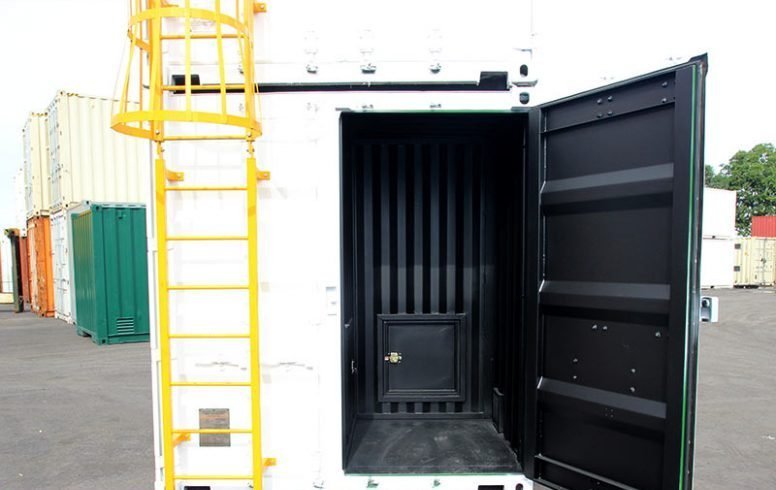
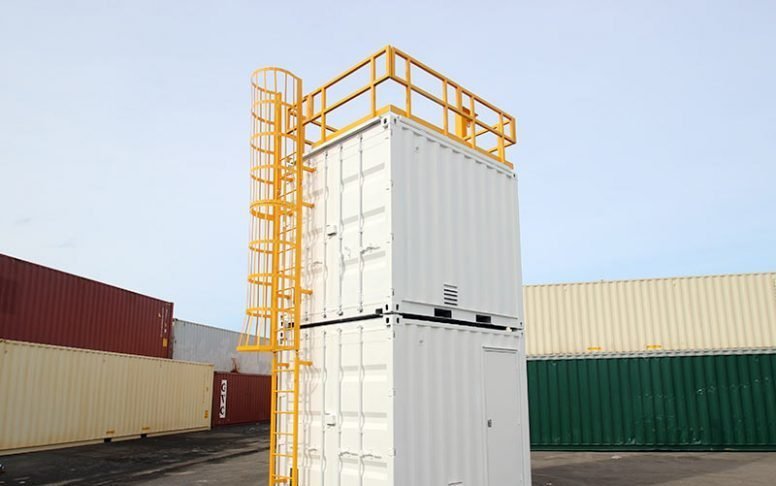
A steel container shell fitted out as a portable rescue rig, reproducing inside it the awkward spaces crews actually work in: tanks, manholes, pits and crawl sections. Teams rehearse getting in and out, monitoring the atmosphere as they go and recovering a casualty under the real constraints of the job — the tight turns, the extraction angles that leave no good option — without the hazards that make a live space dangerous to practise in. The internal arrangement follows no stock template; it is drawn around the scenarios you need to run.
What is built into it
- Steel container shell as the base structure
- Tanks, manholes, pits and crawl sections replicating field conditions
- Internal arrangement designed around the entry, egress and rescue scenarios you specify
- Suits casualty recovery drills and atmospheric monitoring practice
- Moves with you — sessions run at the depot or on site, not at a fixed centre
- No operational vessel has to be shut down to stage an exercise
- Every crew faces an identical, repeatable problem, so assessment is consistent
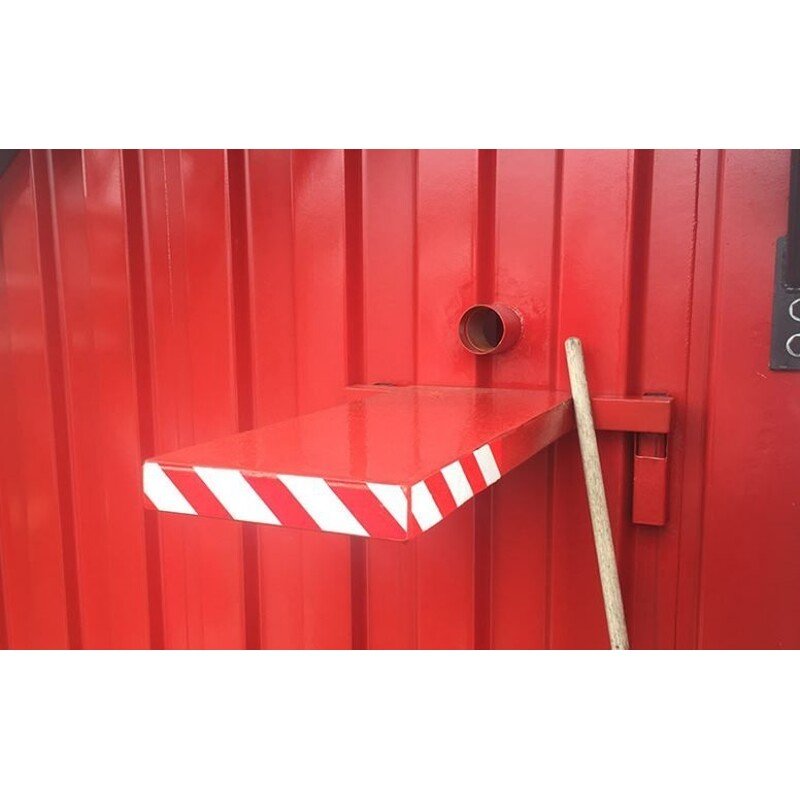
- Available in black, red, white or yellow
Size and specification
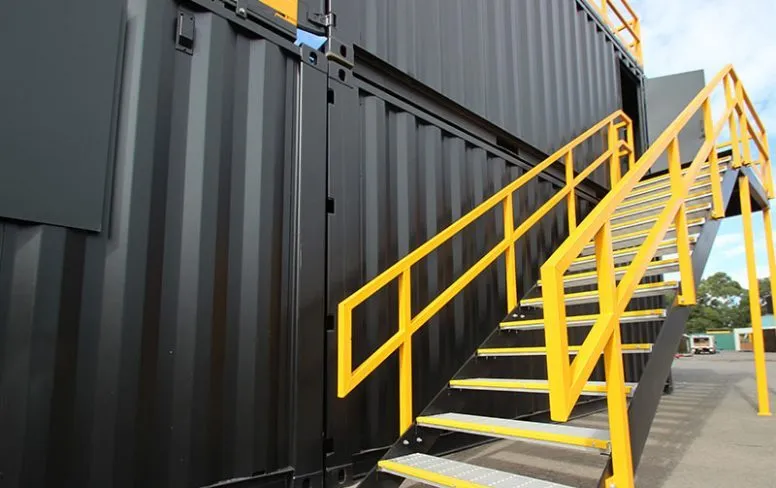
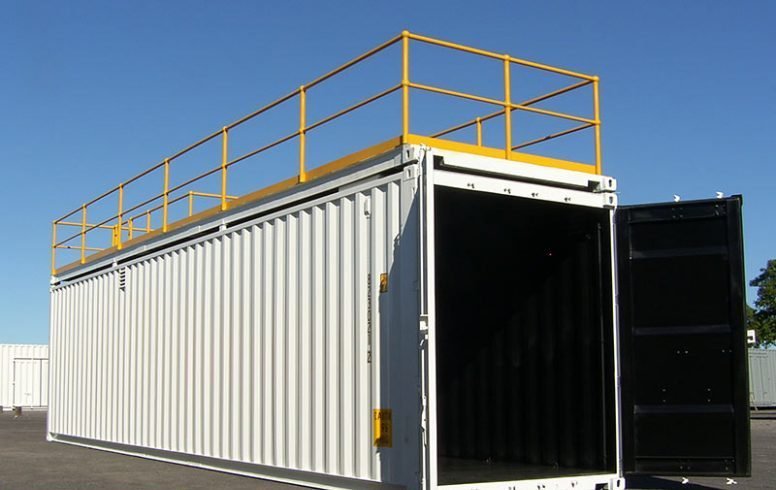
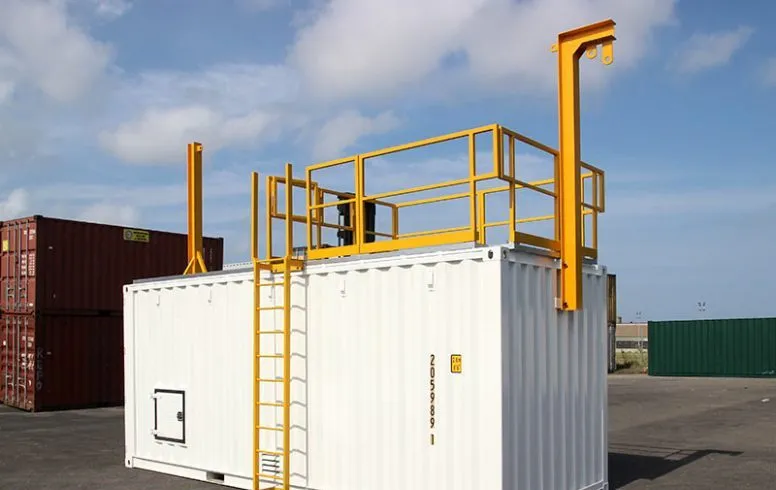
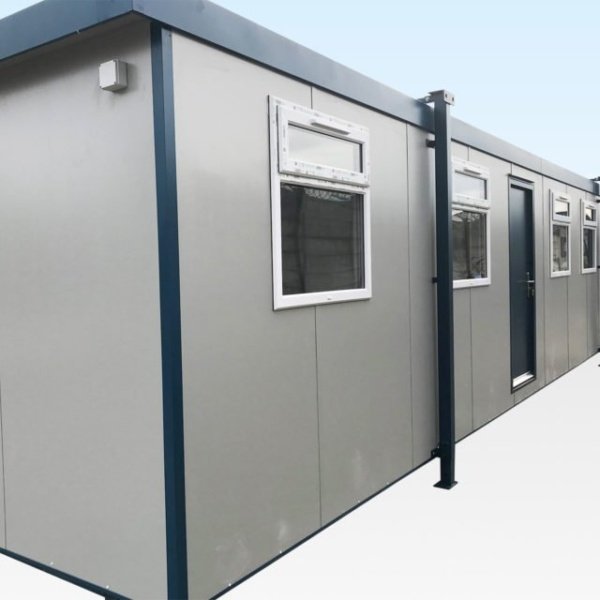
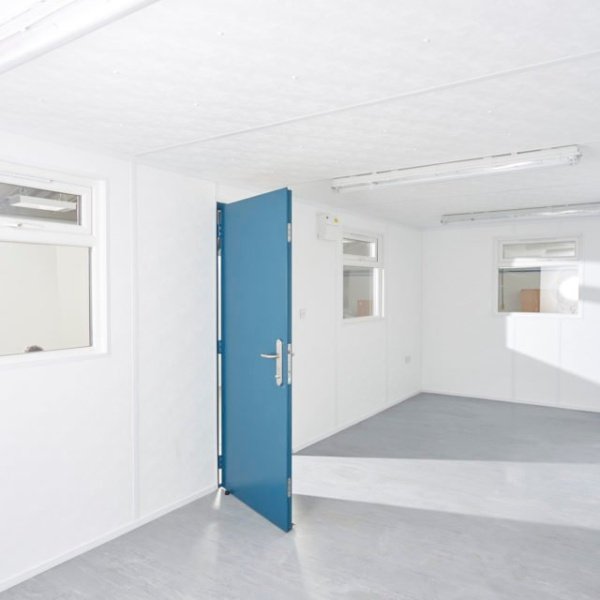
This unit is built to a brief rather than supplied to a fixed size, so the shell length is agreed as part of the specification — the images show builds at several lengths. Confirm the external footprint with us before you plan a pitch, and allow for the fact that internal obstacles, hatches and crawl sections reduce clear internal dimensions considerably compared with an empty container of the same length.
The cost of drilling in a real vessel
Use an actual tank or chamber for the exercise and you pay three times over: the asset comes off line, somebody controls a hazard that is entirely genuine, and a rescue team stands by throughout — all for a drill. Those constraints disappear with a container built for the purpose:
- Repeatable scenario: each crew takes the same route, in the same order, under the same conditions, so performance can genuinely be compared
- Instructors can watch and step in, because the layout is known and the observation points were designed into it
- The container travels to the workforce, so a shift team trains on its own site and no day is lost to travel
- Training can be staged, building from simple entry and egress up to a full stretcher extraction
Building the layout to your scenarios
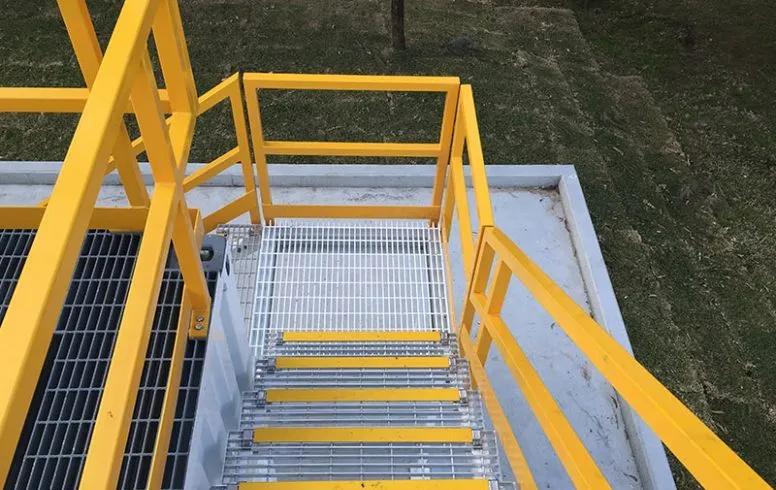
Tell us what your crews have to be able to do and the interior is drawn around it. Restricted-diameter crawls, vertical hatches set up for tripod and winch entry, changes of level, direction changes sharp enough to force a decision about handling a casualty, and fixed instructor or observation positions are all available.
We supply the rig, not the training regime. What training your organisation must provide, what competence your people need and what rescue arrangements have to be in place are matters for you and your own competent adviser. Equipment like this is a means of delivering a course, not certification that any course meets a standard.
Delivery, siting and cover
Delivery is free anywhere in the UK, taking in Northern Ireland, the Isle of Man, Jersey and Guernsey, and the price agreed is the total payable — no VAT is added at checkout. As a made-to-order build, expect a lead time in the specialist band of roughly 2 to 6 weeks. Siting needs firm, level ground and a straight approach for a tilt-bed or crane placement; because people work inside it, a level pitch matters more here than on a storage container — the hatches, ladders and vertical entries are all designed around the unit sitting true. Where a crane offload is required, that is agreed in writing before delivery. The fabrication carries 12 months on workmanship, and separately you have 14 days to change your mind under the Consumer Contracts Regulations 2013 and a 30-day right to reject faulty goods under the Consumer Rights Act 2015.
Talk through your scenario
Most buyers weigh this rig against the 20ft configurable confined space training unit before settling on a layout, and both sit in our range of purpose-built container conversions. Providers delivering theory and practical work from one base often pair the rig with a 20ft workshop container for kit storage and briefings. Check the delivery and access notes, then send us your scenario brief for a quote.
Reviews
There are no reviews yet.