
Insulated Containers for Sale
What ties this category together is the panel, not the machinery. Every unit here has a foamed insulating core between an inner and an outer skin, so the inside stops tracking the outdoor temperature hour by hour the way bare Corten does. Around that shell sit three different products: complete refrigerated containers with a working set, the same shells offered with the plant non-operational, and units where a separate air-conditioning system does the work.
Start with whether you need active cooling
If stock has to be held at a stated set point, you need a working machine, and models here run from a 10ft compact freezer through 20ft, 30ft and 40ft high cube units by Thermo King, Carrier, Daikin and Maersk. Some reach −40 °C, and the 20ft blast freezer is specified for a 460V/230V three-phase supply, so confirm what your site can feed before committing.
If the real problem is heat soak and condensation rather than a set point, an insulated container without live refrigeration does the job. A non-working 40ft high cube reefer shell gives you factory refrigeration-grade panels and a wind and watertight box with nothing to service. Between the two sits a 40ft high cube carrying a 5-ton Bard HVAC system on the wall, which suits workshops and welfare space. A 4 m × 2 m insulated COSHH flat-pack unit covers small chemical stores.
Condition and cover
Stock is a mix of one-trip, used and refurbished. One-trip units carry 12 months against structural defects and water ingress; used shells graded wind and watertight carry 3 months. If the machine matters more to you than the insulation, browse reefer containers.
These are heavy units with a machinery end that should not take the strain of an offload, so tell us about your ground and access first; a crane or HIAB lift is agreed in writing before delivery. Delivery is free UK-wide including Northern Ireland, the Isle of Man, Jersey and Guernsey, with 7–10 days an estimate rather than a guarantee. The price shown is the total payable, with no VAT added at checkout.
Showing 1–16 of 23 results
-
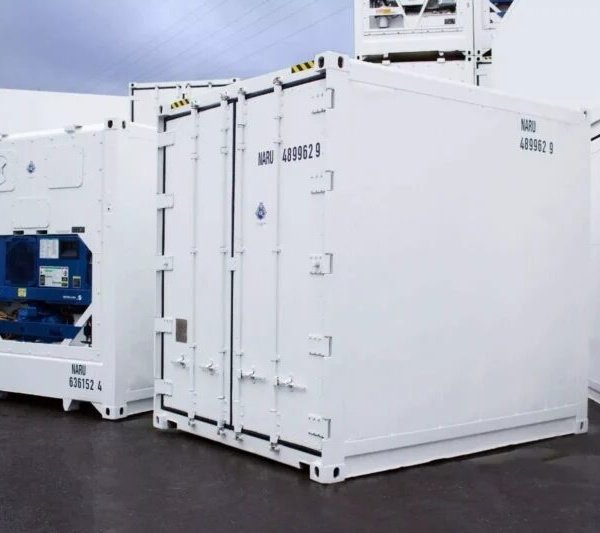
10ft Freezer Reefer Container – Compact Mobile Cold Storage
£8,735.00 Add to basket -
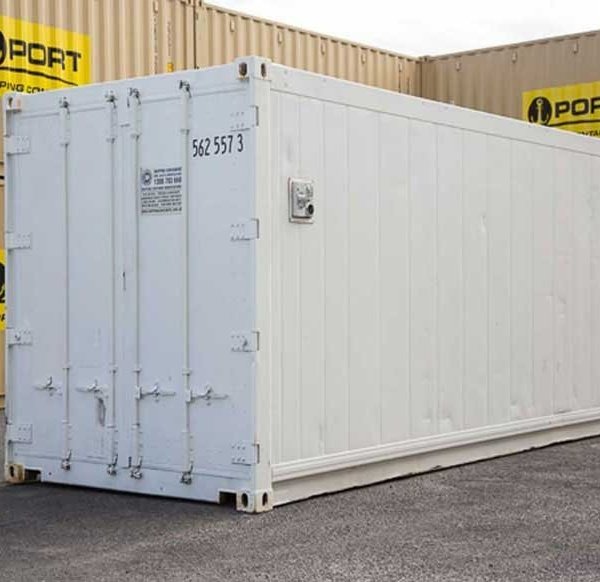
20 FT Refrigerated Containers
£5,495.00 Add to basket -
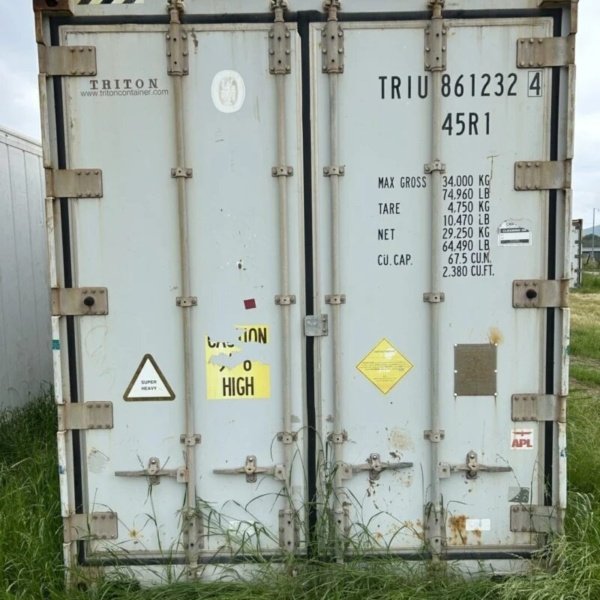
2009 40′ High Cube Refrigerated Storage Container – CCR18757
£6,795.00 Add to basket -
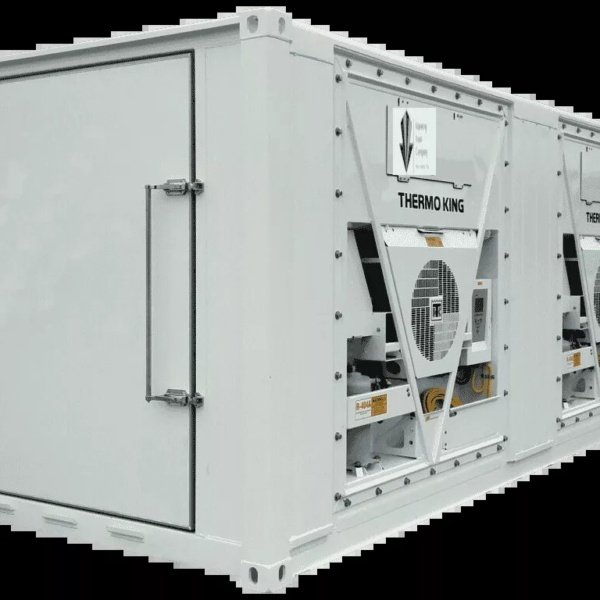
20ft Blast Freezers For Sale Online -40°F to 70°F (460V/230V 3P)
£5,520.75 Add to basket -
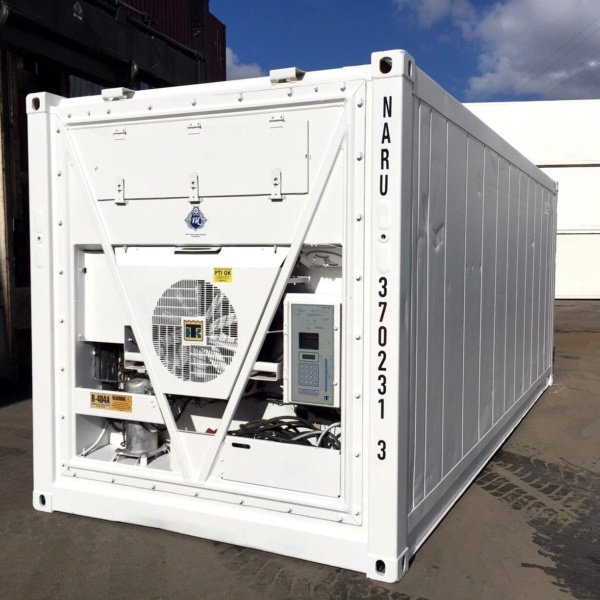
20ft Freezer Container – Mobile Cold Storage Unit (Thermo King / Reefer)
£7,855.00 Add to basket -
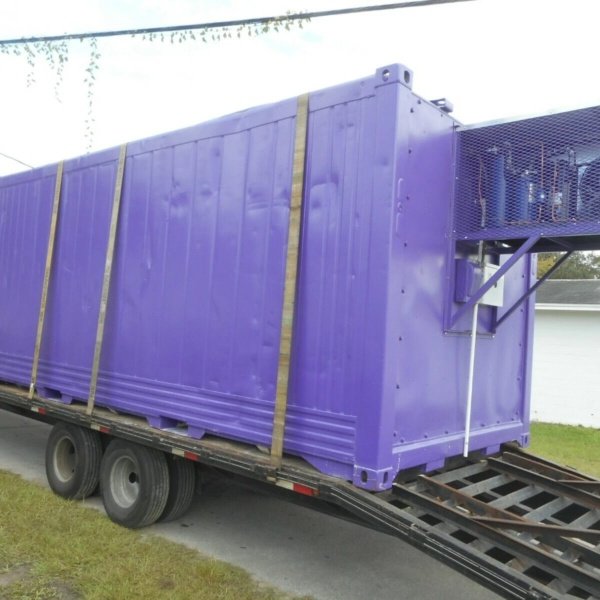
20FT Mobile Cold Storage Container – Freezer/Cooler Model
£20,499.00 Add to basket -
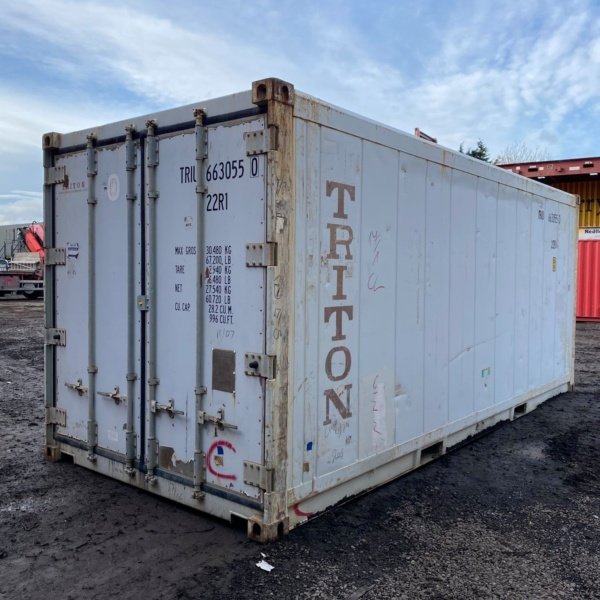
20ft Used Reefer Containers
£5,569.00 Add to basket -
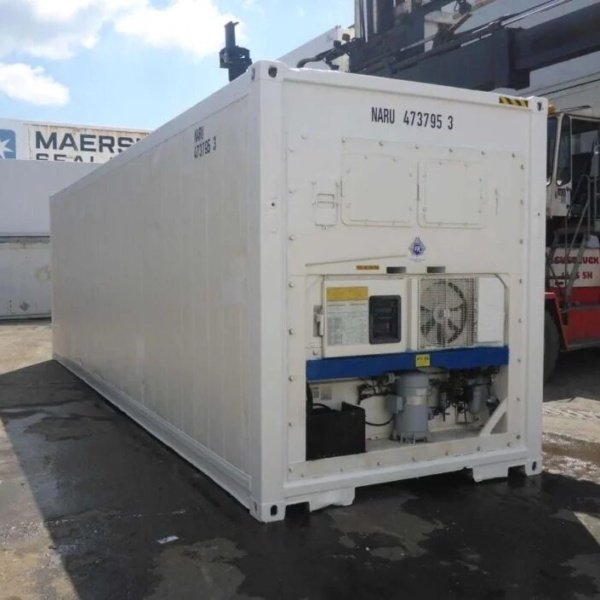
30 Feet Freezer Container Customised Mobile Cold Storage Cell Container / Reefer
£10,859.00 Add to basket -
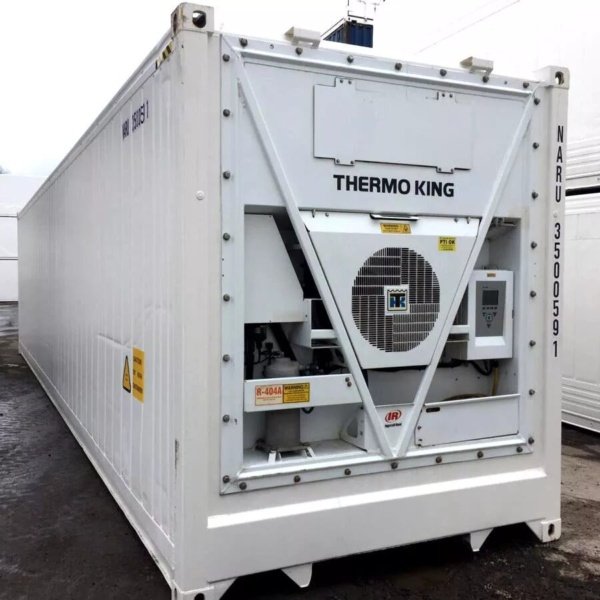
40 Feet Freezer Container Compact Mobile Cold Storage -40°C Reefer Container
£17,655.00 Add to basket -
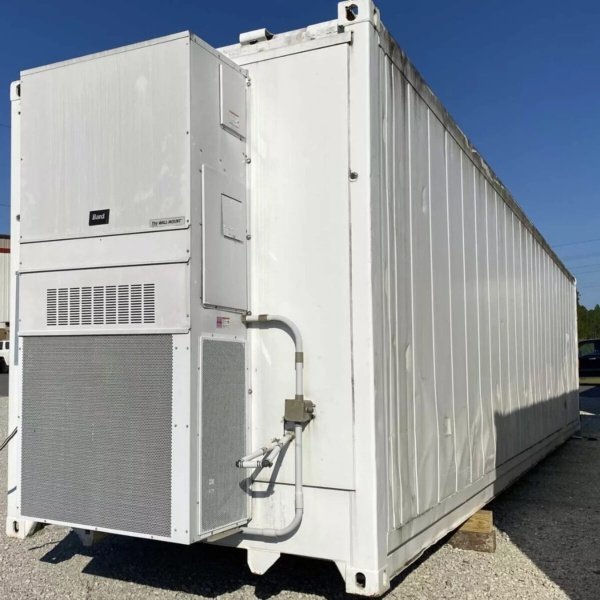
40 Foot High-Cube Insulated Shipping Container with 5 Ton Bard HVAC
£5,459.00 Add to basket -
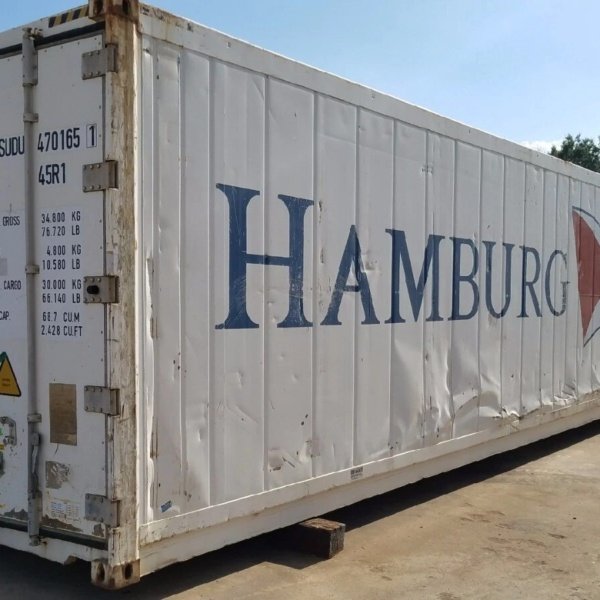
40′ HC WORKING Refrigerated Container
£6,695.00 Add to basket -
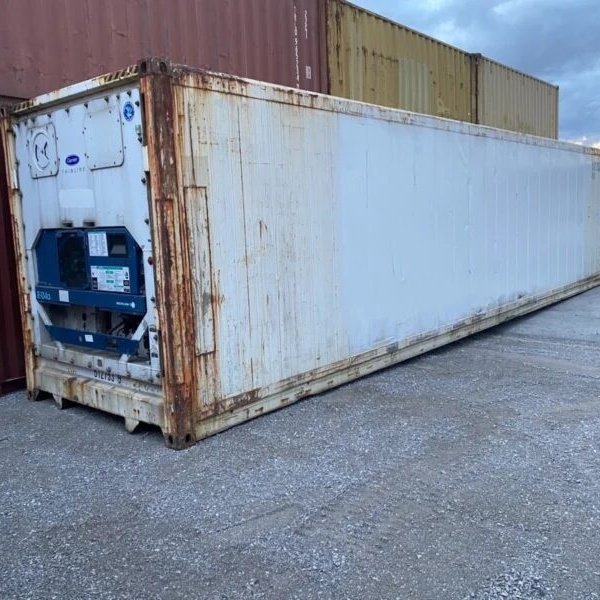
40′ Reefer Container (Non Working)
£3,095.00 Add to basket -
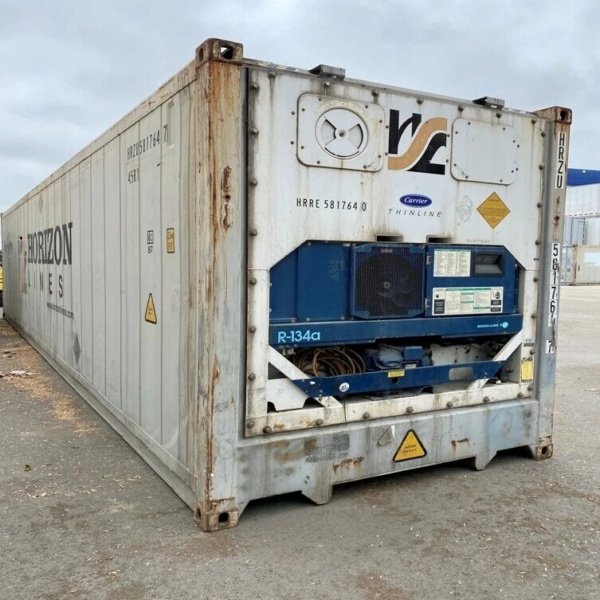
40ft HC Reefer Container–Wind & Water Tight, Non-Working For Sale
£5,895.00 Add to basket -
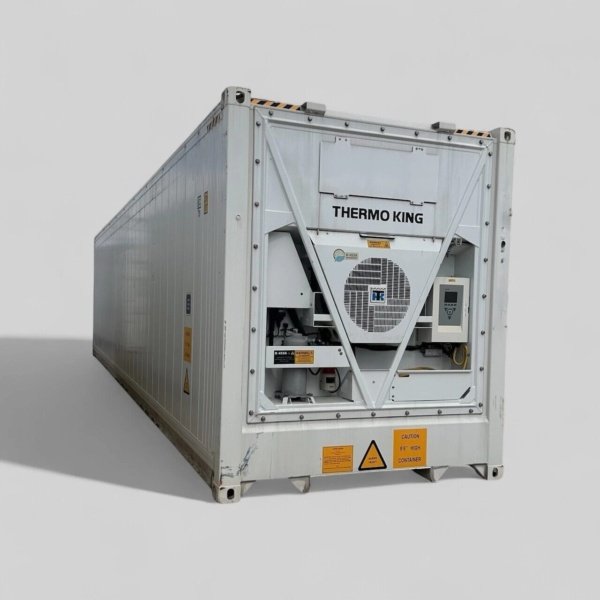
40ft High Thermo King Refrigerated Container – One Trip/ 2023
£19,630.75 Add to basket -
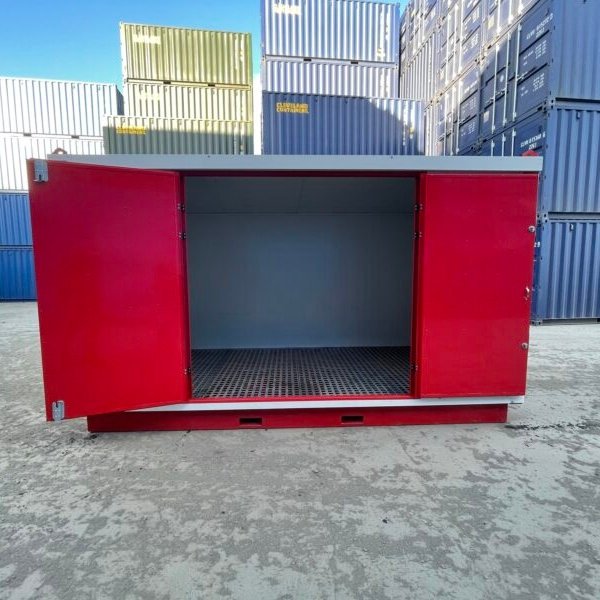
4m x 2m Insulated COSHH Flat Pack Storage Unit
£1,799.00 Add to basket -
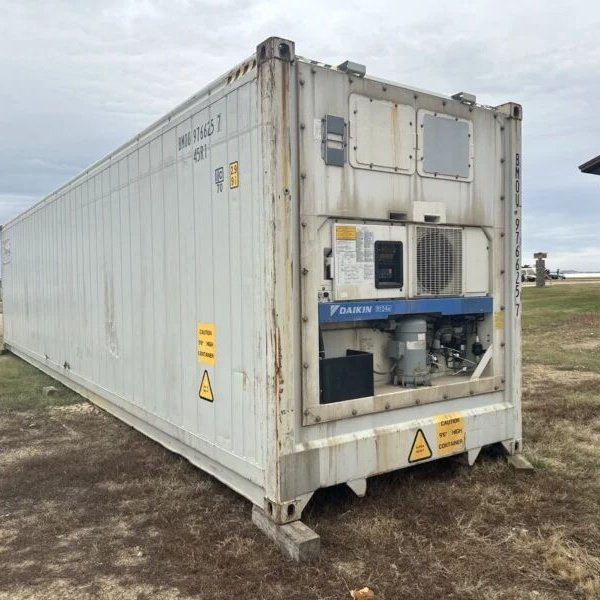
Daikin 40ft Refrigerated Shipping Container (Reefer)
£16,995.75 Add to basket